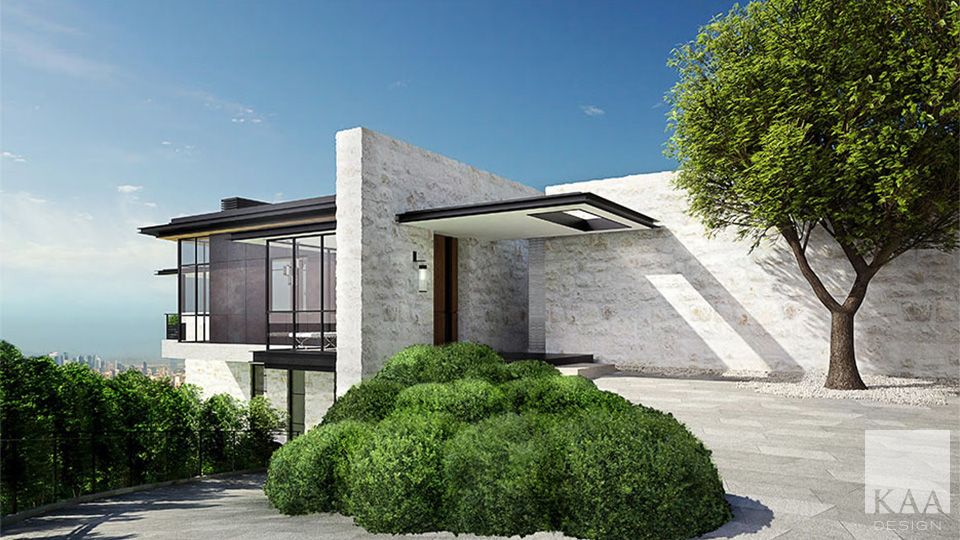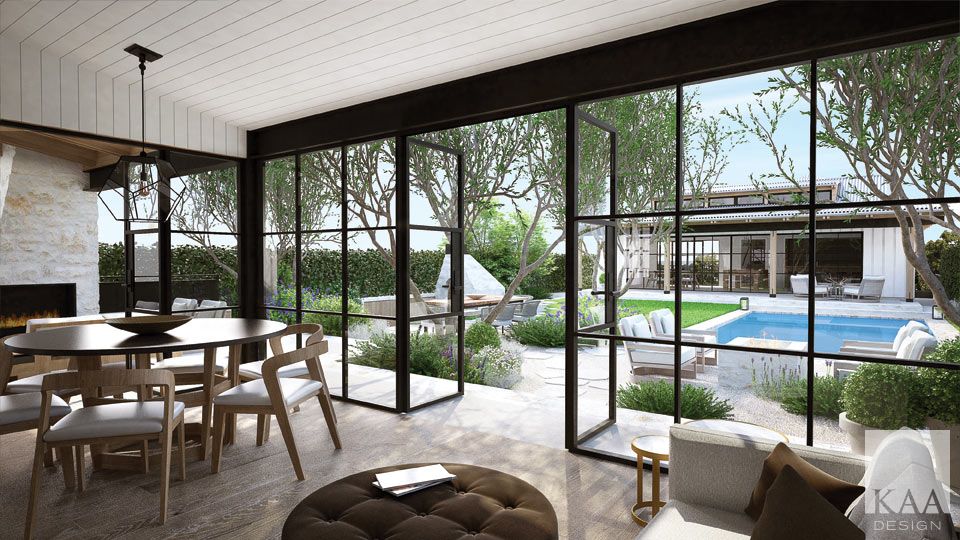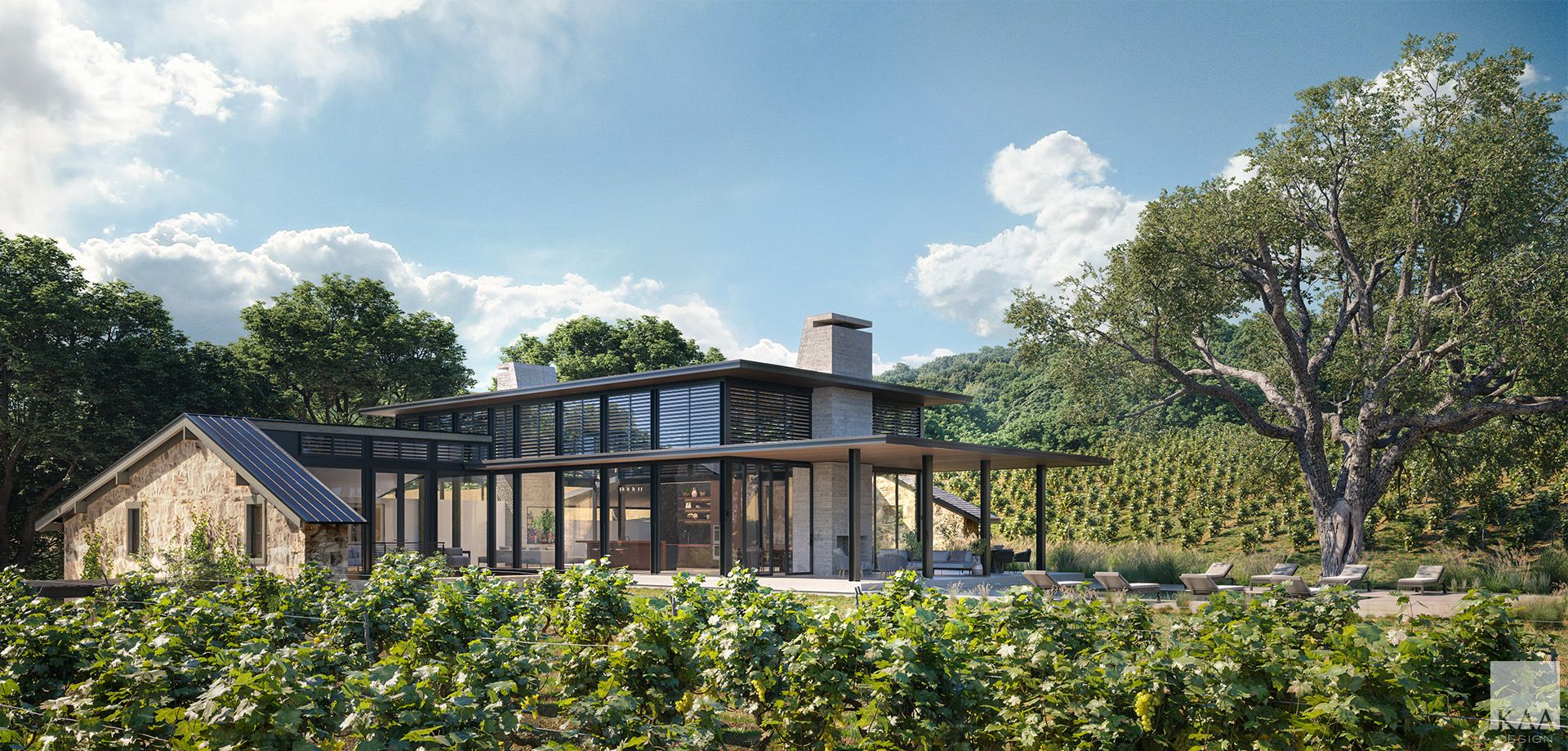
Established in 1867, Edge Hill was the first significant three-level, gravity-fed winery in Napa Valley, and by 1880, it was one of the four wineries responsible for over half of the valley’s wine production. After being decommissioned during Prohibition in the 1920’s, Edge Hill was used for various ventures through the decades including a distillery. In 1999, the great legacy of the property and its prime Napa location inspired Edge Hill’s new steward, Leslie Rudd, to pursue the historic restoration of the winery and estate and return Edge Hill to the prominence it had enjoyed in the 19th century. He commissioned KAA Design to help him conceive of a modern-day winery, production facility, and luxury residence, while respecting the historic integrity of the original site and the 120-year-old stone building shell.
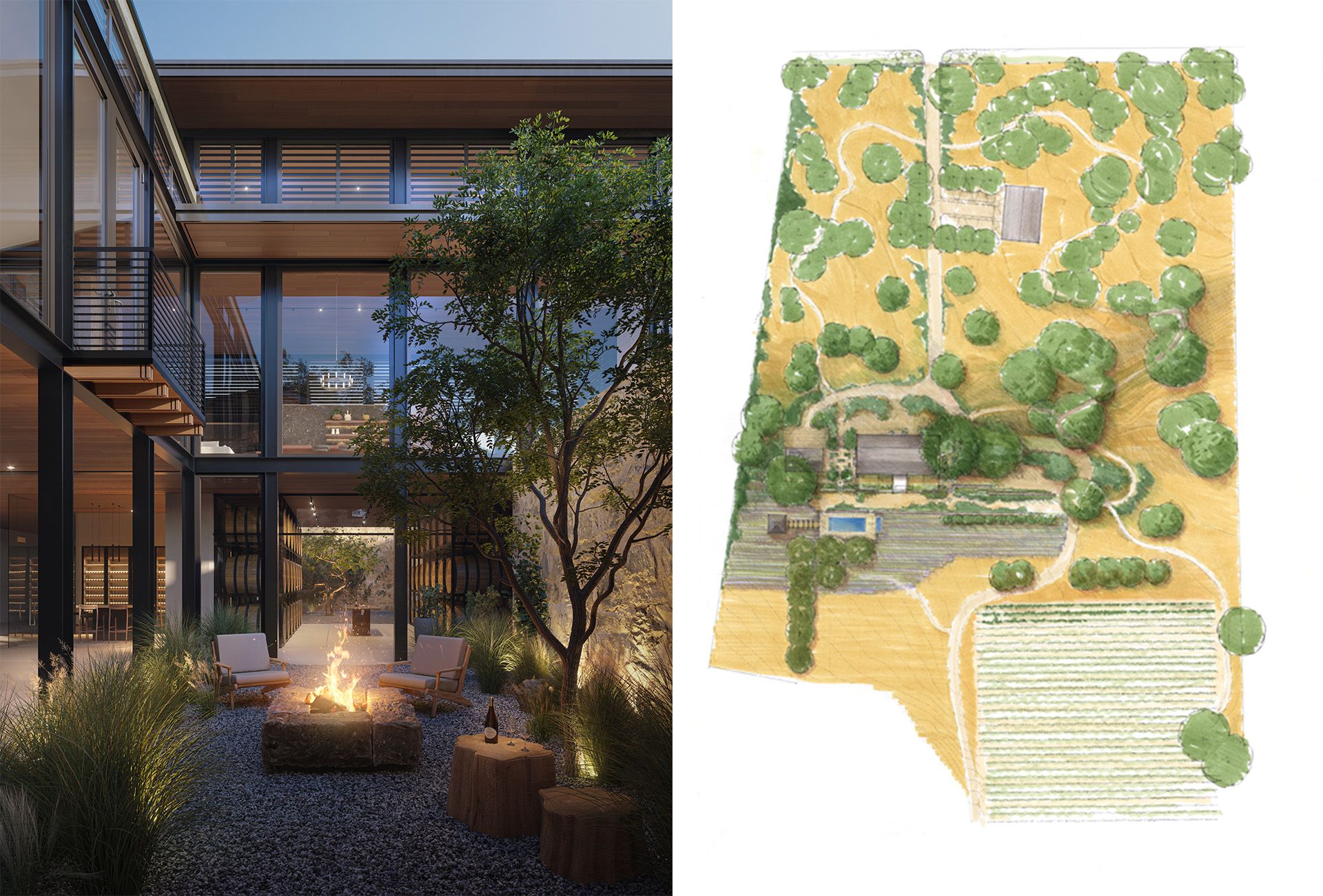
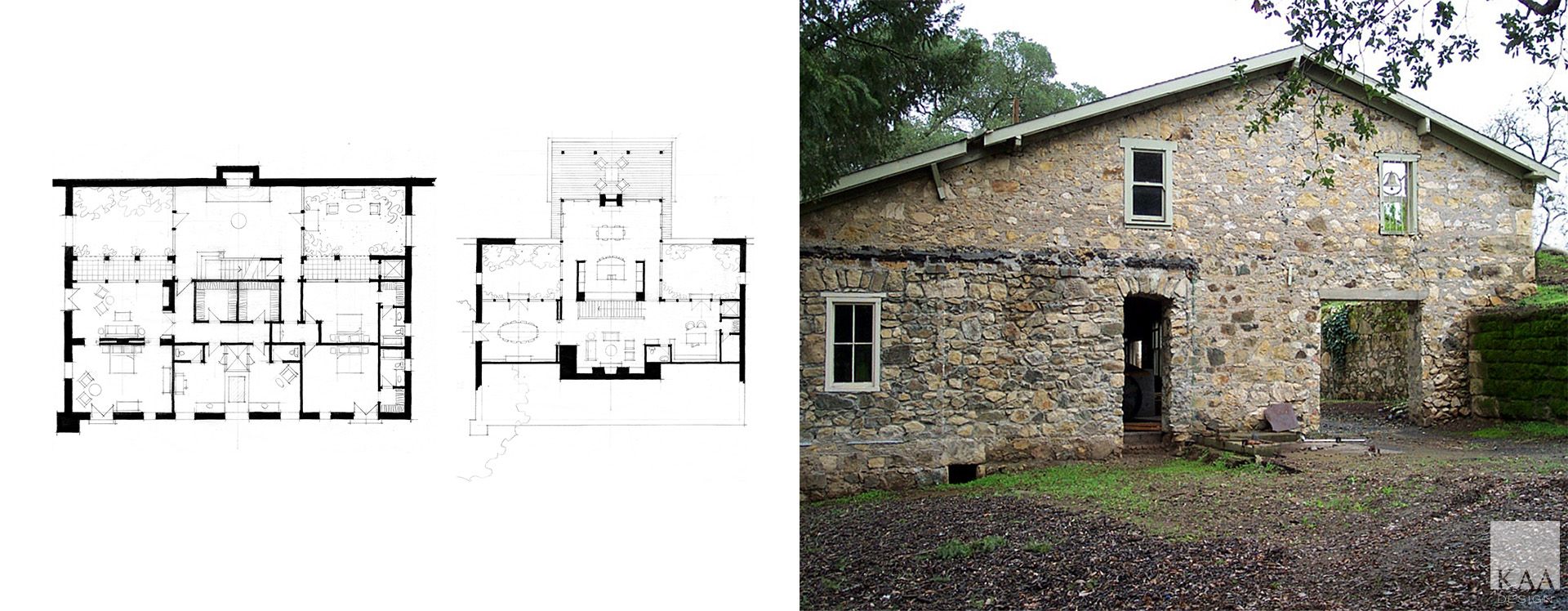
Edge Hill Winery
Napa Valley, CA
Unbuilt
Architecture
Landscape Architecture